
Nutritional Resources Catalog
Comprehensive Educational Information on Nutrients, Food Sources, and Dietary Principles
Macronutrient Framework
The three primary macronutrients—proteins, carbohydrates, and fats—form the foundation of nutritional science. This catalog explores each in detail, including their roles, food sources, and their contributions to sustaining vitality and energy.
Understanding Macronutrient Functions
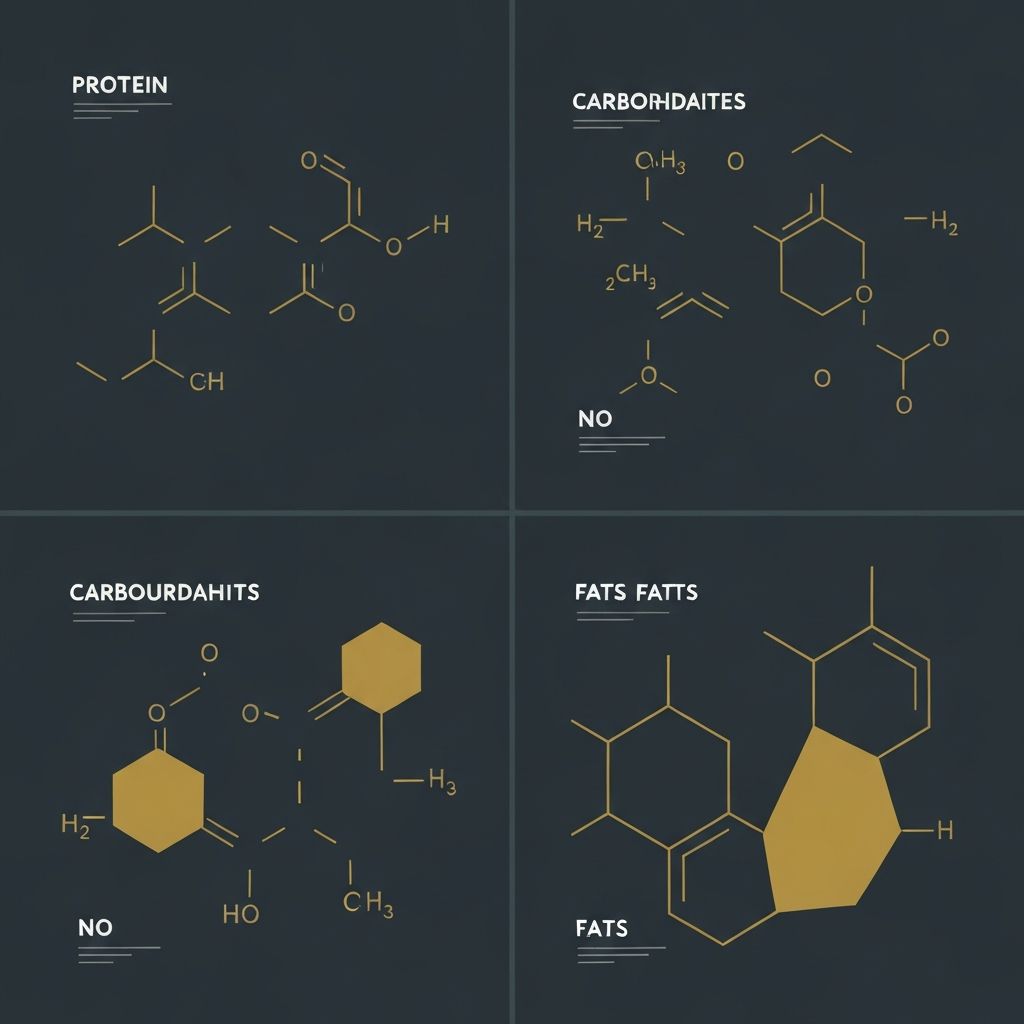
Each macronutrient serves distinct physiological roles. Proteins build and repair tissues, carbohydrates provide energy, and fats support hormone production and nutrient absorption. A balanced diet includes all three in appropriate proportions.
The following sections provide detailed information on each macronutrient category, including primary food sources and their contributions to nutritional balance.
Proteins: Building Blocks of Vitality
Proteins are essential macronutrients composed of amino acids, which the body uses to build muscle, produce enzymes, and synthesize hormones. Understanding protein sources and their amino acid profiles supports informed dietary choices.
Primary Protein Sources
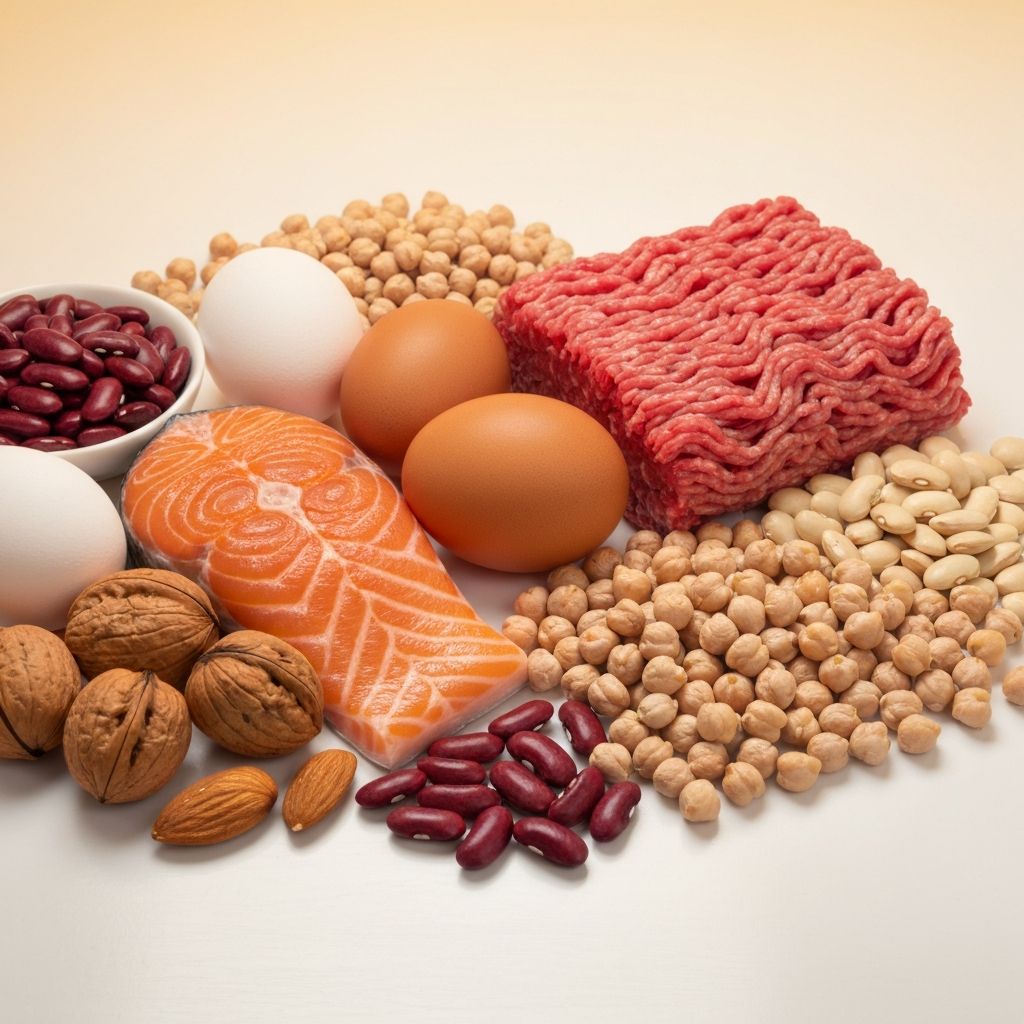
Fish and seafood provide high-quality proteins rich in omega-3 fatty acids, supporting cardiovascular and cognitive health. Lean meats offer complete amino acid profiles essential for muscle maintenance. Eggs provide diverse micronutrients alongside protein. Legumes and nuts offer plant-based alternatives with additional benefits of fiber and healthy fats.
Daily protein intake supports muscle maintenance, tissue repair, and metabolic function. The diversity of protein sources allows for varied, nutritionally complete diets adaptable to individual preferences and circumstances.
| Source | Protein Content | Additional Benefits | Usage Context |
|---|---|---|---|
| Fish (Salmon, Mackerel) | 20-25g per 100g | Omega-3 fatty acids, Vitamin D | 2-3 times weekly |
| Lean Beef | 26g per 100g | Iron, B vitamins, Zinc | Moderate portions |
| Chicken Breast | 31g per 100g | B vitamins, Selenium | Versatile, frequent use |
| Eggs | 13g per 100g | Choline, Lutein, complete amino acids | Flexible inclusion |
| Legumes (Lentils, Beans) | 9-18g per 100g (cooked) | Fiber, Folate, polyphenols | Plant-based staple |
| Nuts and Seeds | 5-26g per 100g | Healthy fats, Vitamin E, Magnesium | Snacks and meal components |
Carbohydrates: Energy and Sustenance
Carbohydrates serve as the primary energy source for physical activity and cognitive function. Understanding the distinction between refined and complex carbohydrates is essential for informed dietary choices.
Complex vs. Simple Carbohydrates
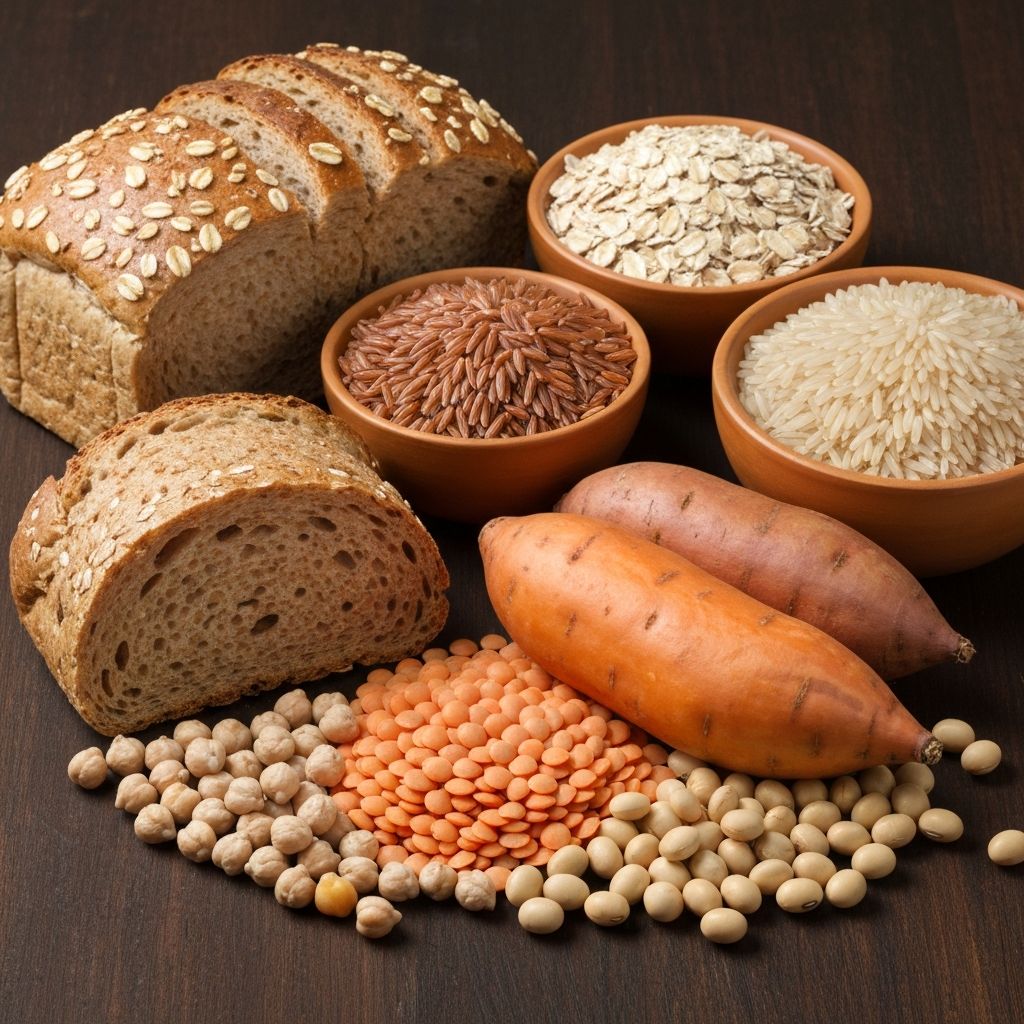
Complex carbohydrates, found in whole grains, vegetables, and legumes, break down more slowly and provide sustained energy alongside fiber and micronutrients. Simple carbohydrates, while providing quick energy, lack the nutritional complexity of whole food sources.
A balanced approach emphasizes whole grain carbohydrates, which support sustained energy levels, digestive health through fiber content, and comprehensive micronutrient intake.
Healthy Fats: Essential and Beneficial
Dietary fats support hormone production, nutrient absorption, and cognitive health. Understanding fat quality and sources enables balanced dietary integration.
Fat Categories and Sources
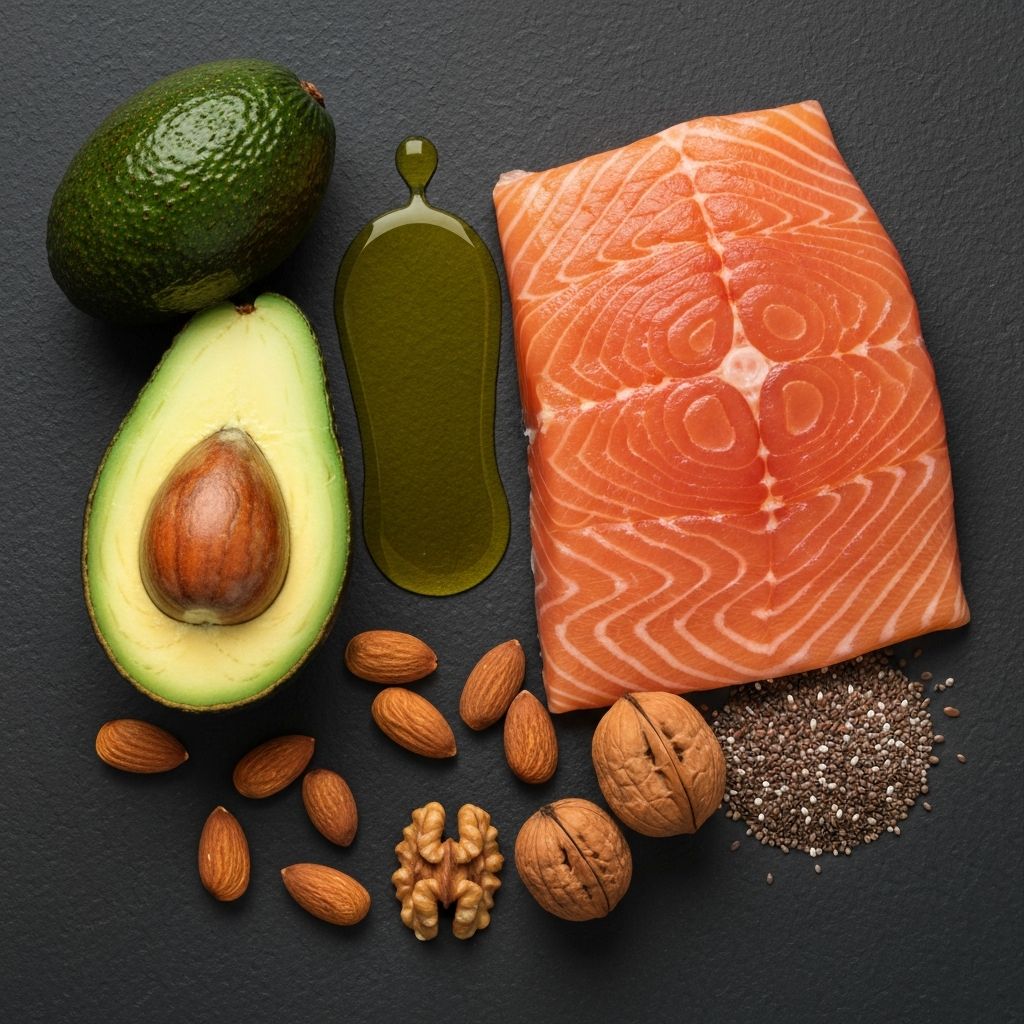
Monounsaturated and polyunsaturated fats, found in olive oil, avocados, fatty fish, and nuts, support cardiovascular health and brain function. These "healthy fats" are essential components of a balanced diet.
Saturated fats, while once universally discouraged, are now understood within more nuanced frameworks—moderate intake from whole food sources is consistent with balanced nutrition. Trans fats, however, warrant minimization.
| Fat Type | Primary Sources | Health Considerations | Recommended Integration |
|---|---|---|---|
| Monounsaturated | Olive oil, avocados, almonds | Supports cardiovascular health, reduces inflammation | Daily inclusion |
| Polyunsaturated (Omega-3) | Fatty fish, flaxseed, walnuts | Supports brain and heart health, reduces inflammation | 2-3 times weekly for fish |
| Polyunsaturated (Omega-6) | Vegetable oils, seeds, poultry | Essential but balance with omega-3 important | Moderate inclusion |
| Saturated | Coconut oil, butter, fatty meats | Moderate intake compatible with balanced diet | Moderation in whole food context |
Micronutrients: Supporting Metabolic Function
Vitamins and minerals, though required in smaller quantities than macronutrients, are critical for enzymatic function, energy production, immune support, and cognitive health. A diverse diet typically provides comprehensive micronutrient coverage.
Key Micronutrient Categories
B vitamins support energy metabolism and nervous system function. Vitamin D is essential for bone health and immune function. Minerals such as zinc, magnesium, and iron play critical roles in diverse physiological processes.
Consuming a variety of whole foods—colorful vegetables, fruits, whole grains, legumes, and quality proteins—naturally ensures broad micronutrient intake without reliance on supplementation in most cases.
Building Balanced Meals
Practical integration of nutritional principles involves combining protein, carbohydrates, and healthy fats at each meal, alongside abundant vegetables and varied whole food sources. This framework naturally supports sustained energy, satiety, and comprehensive nutrient intake.
Meal Structure Framework
- Protein Component: Fish, lean meat, eggs, legumes, or plant-based source (25-35g)
- Carbohydrate Component: Whole grain, vegetable, or legume providing complex carbohydrates
- Healthy Fat Component: Olive oil, avocado, nuts, or fatty fish providing quality fats
- Vegetable Base: Variety of colorful vegetables for fiber, vitamins, minerals, and phytonutrients
- Hydration: Water as primary beverage, supporting all metabolic processes
Practical Implementation
This catalog provides educational foundations for understanding nutrition. Implementation of these principles depends on individual circumstances, preferences, cultural context, and personal health considerations. Dietary choices are deeply personal and influenced by many factors beyond nutritional science.