
Nutritional Essentials for Men Beyond Forty
An Explanatory Guide to Sustaining Energy, Vitality, and Wellbeing Through Balanced Nutrition
Welcome to Hyslons
This comprehensive resource explains the fundamental principles of nutritional science as they relate to sustained wellbeing and vitality. Our mission is to present evidence-based information about how food, nutrients, and lifestyle choices contribute to maintaining energy and health across the lifespan.
The information presented here is educational in nature, designed to explain concepts and phenomena rather than to provide individual recommendations or medical advice. Each person's needs are unique, and dietary choices should reflect individual circumstances and preferences.
Understanding Nutritional Balance
The human body requires a carefully balanced combination of macronutrients and micronutrients to function optimally. This section explains the roles of carbohydrates, proteins, and fats in providing energy and supporting bodily functions, along with the vitamins and minerals essential for metabolic processes.
Proper nutrition supports sustained energy levels, mental clarity, and overall wellbeing. The principles of balanced eating apply across age groups, though specific needs may vary based on individual factors such as activity level, metabolism, and personal health context.

The Role of Macronutrients
Macronutrients—carbohydrates, proteins, and fats—form the foundation of a balanced diet. Each plays a distinct and essential role in maintaining bodily functions and providing energy for daily activities.
Proteins
Essential for muscle maintenance, tissue repair, and the production of enzymes and hormones. Protein sources include fish, lean meats, eggs, legumes, nuts, and whole grains.
Carbohydrates
Provide the primary source of energy for physical activity and brain function. Whole grains, vegetables, and legumes offer sustained energy through complex carbohydrates.
Fats
Support hormone production, nutrient absorption, and brain health. Healthy fats from sources like olive oil, avocados, fatty fish, and nuts are integral to balanced nutrition.
Vitamins and Minerals: Micronutrients for Vitality
Vitamins and minerals, though required in smaller quantities than macronutrients, are critical for countless metabolic processes. These micronutrients support immune function, bone health, energy production, and cognitive performance.
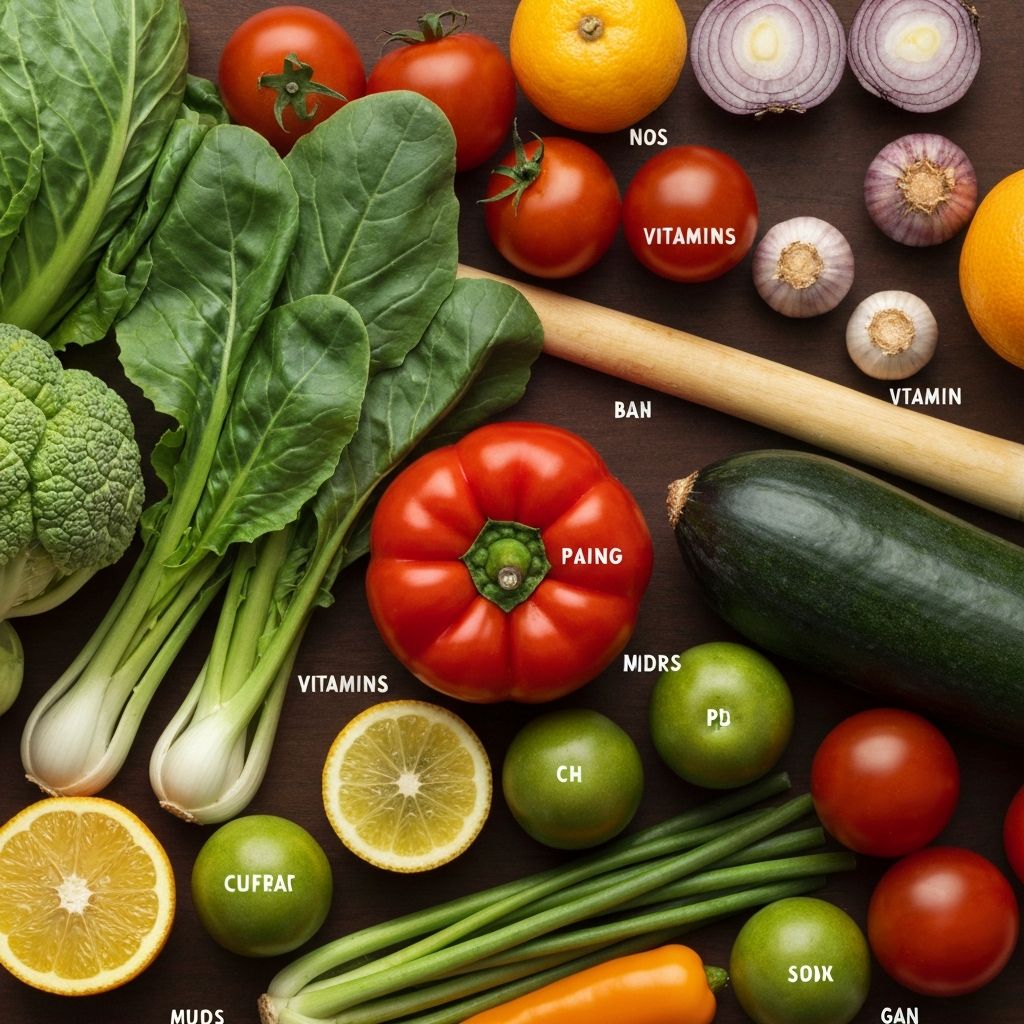
A diverse diet rich in colorful vegetables, fruits, whole grains, and lean proteins naturally provides a comprehensive range of micronutrients. Understanding the sources and functions of key vitamins and minerals helps inform balanced dietary choices.
Key Principles of Nutritional Health
Variety
Consuming diverse foods ensures broad micronutrient coverage and supports digestive health through varied fiber sources.
Balance
Proportional intake of macronutrients supports sustained energy and metabolic function throughout daily activities.
Moderation
Portion awareness and mindful eating support weight management and prevent nutrient imbalances.
Consistency
Sustained dietary patterns over time yield cumulative benefits for energy levels and overall wellbeing.
The Importance of Lifestyle Integration
Nutrition does not exist in isolation. Physical activity, sleep quality, stress management, and hydration collectively influence how the body processes and utilizes nutrients. A holistic approach to wellbeing recognizes these interconnections.

Movement and Vitality
Regular physical activity enhances the body's ability to utilize nutrients, supports cardiovascular health, and contributes to sustained energy levels. Movement, combined with proper nutrition, creates a foundation for long-term wellbeing.
The integration of balanced nutrition with active daily living represents a comprehensive approach to maintaining vitality and energy across the lifespan.
Limitations and Context
This resource provides educational information only. The content explains nutritional science and principles but does not constitute individual dietary recommendations or medical advice. Each person's nutritional needs are unique and influenced by genetics, activity level, age, and individual health context.
Dietary choices should be informed by personal circumstances and, when relevant, consultation with qualified healthcare providers. This site does not diagnose, treat, or prescribe solutions for health conditions, nor does it suggest that nutritional changes can cure or prevent specific diseases.
The information presented reflects general principles and common approaches; however, individual responses to dietary changes vary significantly. This resource serves as an educational starting point for understanding how nutrition supports wellbeing.
Explore Further
Learn more about specific aspects of nutritional science, from the role of individual macronutrients to practical guidance on building balanced meals. Each section provides detailed explanations, practical contexts, and educational frameworks to deepen your understanding.